Introduction: The Undeniable Pull of India's Food Export Industry
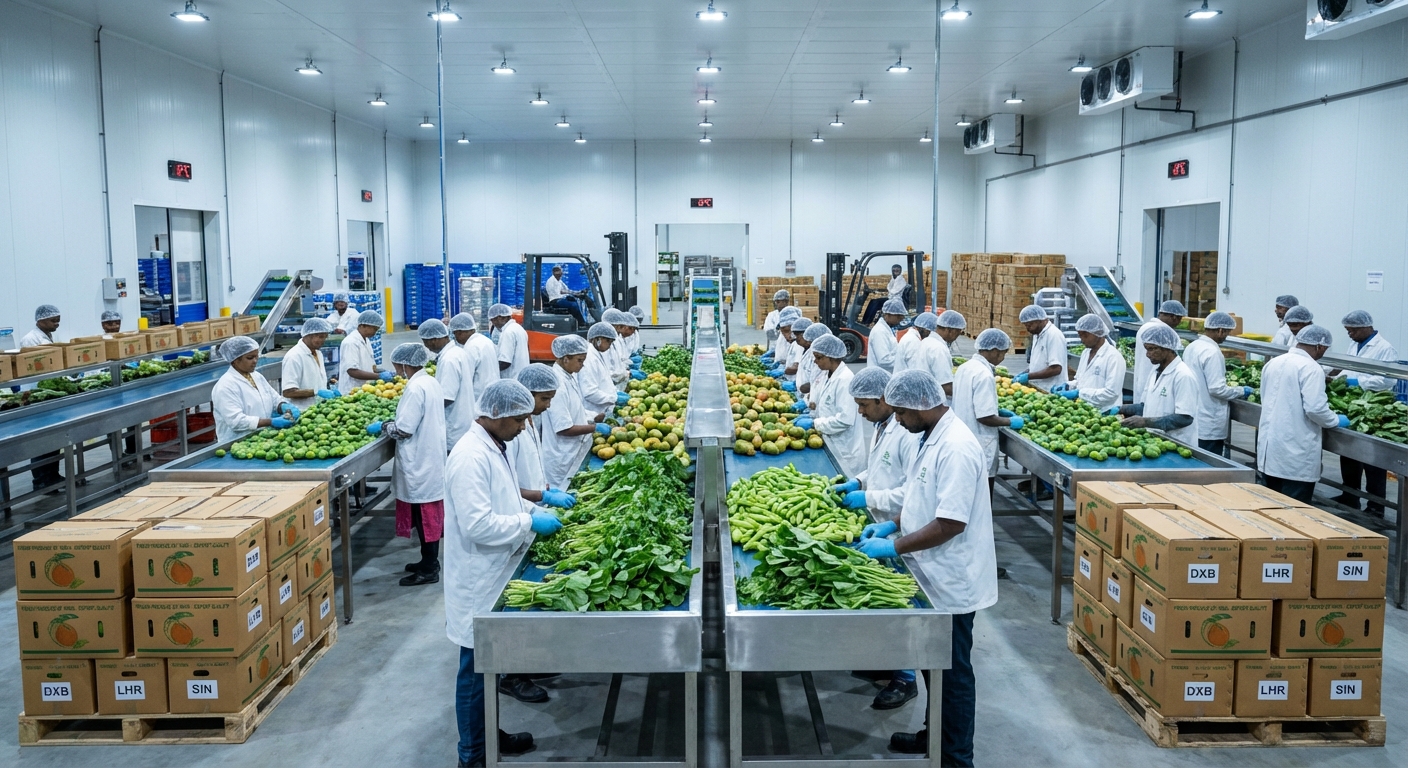
If you've been exploring export opportunities from India, you've probably noticed a pattern: nearly every discussion about international trade eventually circles back to food products. This isn't coincidence or industry bias—it's a reflection of fundamental market realities that make food exports exceptionally attractive for both seasoned traders and newcomers alike.
The numbers tell a compelling story. Year after year, agricultural and processed food items comprise a substantial portion of India's outbound shipments. But statistics alone don't explain why entrepreneurs consistently choose this sector over alternatives like textiles, engineering goods, or pharmaceuticals.
The real reasons run deeper. They involve geography, consumer behavior, infrastructure maturity, and business practicality—factors that collectively create what might be called a "perfect storm" of export opportunity.
This article unpacks the underlying dynamics that position food exports at the forefront of India's global trade strategy, offering insights for anyone considering entry into international markets.
India's Geographic and Climatic Goldmine
Unmatched Agricultural Diversity
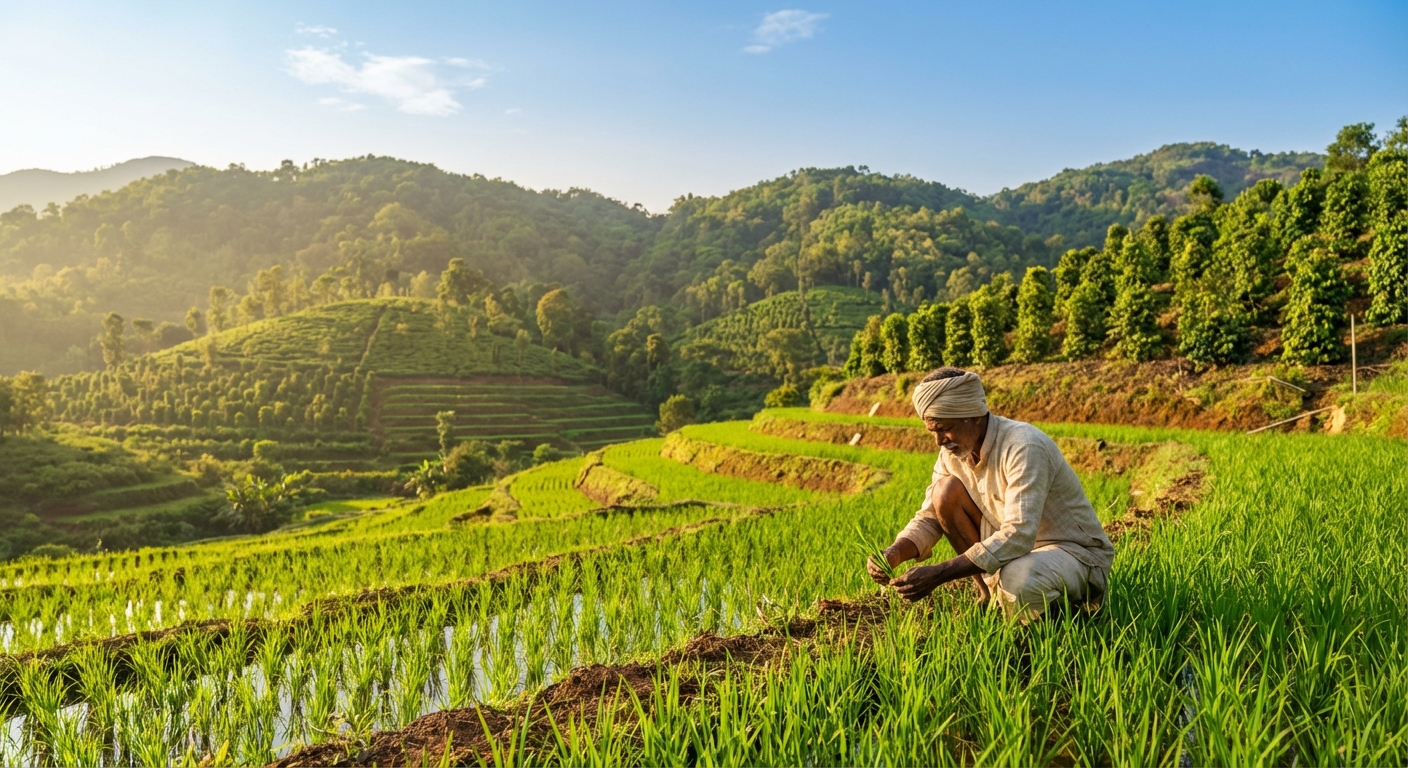
Few nations can match India's agricultural versatility. The country's geography spans tropical beaches, temperate highlands, arid deserts, and monsoon-fed plains. This diversity translates directly into production capability.
Consider the practical implications:
- Coastal Karnataka and West Bengal provide ideal conditions for seafood harvesting
- The Himalayan foothills of Darjeeling and Assam produce world-class tea
- Tamil Nadu's climate supports year-round cultivation of turmeric and curry leaves
- Rajasthan's arid zones yield premium cumin and coriander
This geographic advantage means exporters can source virtually any food product domestically without depending on imports or seasonal constraints. An exporter specializing in organic products can find suppliers across multiple states, ensuring consistent availability regardless of regional weather patterns.
Year-Round Production Cycles
Unlike countries with harsh winters or limited growing seasons, India maintains agricultural production throughout the calendar year. When wheat harvesting concludes in northern states, rice cultivation peaks in southern regions. When mango season ends, pomegranate shipments begin.
For exporters, this continuity solves a critical business problem: maintaining cash flow during seasonal gaps. A diversified food exporter can rotate between products—shipping fresh produce during harvest months while fulfilling orders for processed items during off-seasons.
The Non-Negotiable Nature of Global Food Demand
Economic Recession Resistance
Here's a fundamental principle of international trade: during economic downturns, consumers cut back on electronics, fashion, and luxury goods—but they still eat. Food demand exhibits remarkable stability across economic cycles.
The 2008 financial crisis saw sharp declines in automotive and consumer electronics trade, yet food commodity flows remained relatively stable. The COVID-19 pandemic disrupted numerous industries, but countries continued importing essential food items even during peak lockdown periods.
This recession-resistant characteristic provides exporters with predictable revenue streams. While businesses in volatile sectors struggle during downturns, food exporters maintain baseline demand that supports operational continuity.
Population Growth and Dietary Evolution
Global population projections suggest continued expansion, particularly in Africa and parts of Asia. More people means increased food requirements—straightforward mathematics that guarantees long-term demand.
Equally significant: rising incomes in developing nations drive dietary diversification. Middle-class consumers in Vietnam, Nigeria, and Peru increasingly seek variety beyond traditional staples. They're discovering Indian spices, specialty rice varieties, and convenient processed foods. This trend creates expanding markets that didn't exist two decades ago.
Accessible Entry Points for New Market Participants

Simplified Regulatory Framework
Compared to sectors like pharmaceuticals or aerospace, food exports operate under relatively streamlined regulatory requirements. The essential documentation includes:
- Import Export Code (IEC) registration
- Food Safety and Standards Authority of India (FSSAI) licensing
- Agricultural and Processed Food Products Export Development Authority (APEDA) registration for specific categories
- Standard business registrations (GST, PAN)
An entrepreneur can complete these registrations within weeks, not months or years. Contrast this with pharmaceutical exports, which require extensive facility certifications, drug controller approvals, and lengthy validation processes.
Modest Capital Requirements
Starting a food export business doesn't demand massive upfront investment. Many successful exporters begin as trading intermediaries—connecting domestic suppliers with international buyers without owning production facilities.
This model requires working capital for:
- Sample procurement and shipping
- Quality testing and certification
- Marketing and communication
- Initial inventory purchases
A dedicated entrepreneur can launch operations with investment levels accessible to small business owners, particularly when focusing on dry commodities like spices, pulses, or packaged foods that don't require expensive cold storage infrastructure.
Robust Domestic Supply Networks
Established Procurement Ecosystems
India's food export sector benefits from mature supply chains developed over decades. Every major agricultural region features networks of:
- Farmer cooperatives and producer organizations
- Licensed commodity traders and wholesalers
- Processing units and packaging facilities
- Quality testing laboratories
- Export-focused logistics providers
An exporter interested in shipping organic jaggery can identify suppliers in Maharashtra who specialize in certified organic production. Someone focusing on frozen vegetables can connect with processing units in Punjab equipped with international certification. This infrastructure eliminates the need to build supply chains from scratch.
Quality Standardization Improvements
Historical challenges around quality consistency have driven significant improvements in standardization practices. Industry associations, government bodies, and large exporters have established grading systems, quality protocols, and certification standards.
For instance, the Spices Board of India maintains quality benchmarks for major spice categories. The Marine Products Export Development Authority (MPEDA) enforces hygiene and traceability standards for seafood. These frameworks help new exporters ensure their shipments meet international requirements without developing expertise independently.
Strategic Government Initiatives and Policy Support

Institutional Backing and Financial Assistance
The Indian government recognizes food exports as strategic priorities for foreign exchange earnings and farmer income enhancement. This recognition translates into tangible support:
Financial Incentives:
- Interest subvention schemes reducing borrowing costs
- Export credit insurance through ECGC
- Market development assistance for trade fair participation
- Transportation subsidies for specific products and destinations
Infrastructure Investment:
- Mega Food Parks providing shared processing facilities
- Cold chain development projects
- Agricultural Export Zones with specialized infrastructure
- Port modernization improving handling efficiency
Focused Promotional Programs
Recent policy initiatives specifically target export expansion:
The One District One Product (ODOP) scheme identifies signature products from each district, providing marketing support and infrastructure development. A district known for premium mango varieties receives assistance establishing processing units and establishing market linkages.
The National Mission on Food Processing aims to double processing levels, directly benefiting exporters by ensuring consistent supply of value-added products rather than just raw commodities.
These aren't abstract policies—they represent real funding, infrastructure, and institutional support that reduce business risks for exporters.
Value Addition and Margin Enhancement Opportunities
The Commoditization Trap and Its Solution
Raw commodity exports face inherent challenges: thin margins, intense price competition, and vulnerability to global price fluctuations. Smart exporters recognize that sustainable success requires moving up the value chain.
The food sector offers exceptional value addition possibilities:
From Raw to Refined:
- Whole wheat → Whole wheat flour → Fortified atta → Ready-to-cook chapati
- Fresh turmeric → Dried turmeric → Turmeric powder → Curcumin extract → Dietary supplements
- Raw cashews → Processed cashews → Flavored cashews → Gift packs → Premium branded products
Each processing step increases margins while reducing direct competition. A branded organic spice blend competes on quality and taste, not just price per kilogram.
Brand Building Potential
Unlike industrial components or generic chemicals, food products respond exceptionally well to branding. Consumers develop preferences, loyalty, and willingness to pay premiums for trusted brands.
Indian exporters have successfully established brands in numerous categories:
- Basmati rice brands recognized in Middle Eastern supermarkets
- Spice blends popular among diaspora communities in Western countries
- Ready-to-eat meal brands gaining distribution in Asian markets
This branding potential creates defensible competitive advantages and sustainable business models beyond simple trading.
Practical Logistics and Operational Advantages
Storage and Transportation Simplicity
Many popular Indian food exports fall into the "dry cargo" category: rice, lentils, spices, flour, sugar, and snacks. These products share favorable characteristics:
- Extended shelf life without refrigeration
- Stability under varying temperature conditions
- Compatibility with standard container shipping
- Lower insurance costs compared to perishable goods
An exporter shipping basmati rice faces far simpler logistics than someone handling fresh berries or dairy products. Standard shipping containers, conventional port facilities, and regular freight schedules suffice—no specialized equipment or urgent time pressures.
Even products requiring temperature control benefit from improved infrastructure. The expansion of refrigerated containers (reefers), upgraded port cold storage, and better domestic cold chain networks have made frozen seafood, fresh fruits, and dairy exports increasingly manageable.
Flexible Shipping Volumes
Food products accommodate various scale operations. An entrepreneur can begin with less-than-container-load (LCL) shipments, testing markets with smaller quantities before committing to full container volumes.
As business grows, the same products scale efficiently:
- Sample shipments: 50-100 kg air freight
- Trial orders: LCL shipments of 500-1,000 kg
- Regular orders: 20-foot containers (~15-18 metric tons)
- Established relationships: 40-foot containers or multiple container shipments
This scalability allows organic growth without requiring massive investment at early stages.
Predictable Customer Relationships and Repeat Business
B2B Purchasing Patterns
Food importers typically operate as wholesalers, distributors, or retail chains—business customers making systematic purchasing decisions rather than impulsive consumer choices. These B2B relationships exhibit valuable characteristics:
Consistent Order Patterns: A restaurant chain importing Indian spices doesn't place a single order and disappear. They require monthly or quarterly replenishment, creating predictable revenue streams.
Long-term Partnerships: Food buyers value supplier reliability above rock-bottom pricing. An importer who finds a dependable supplier providing consistent quality rarely switches for marginal cost savings. The operational risks of changing suppliers—potential quality variations, delivery disruptions, administrative burden—discourage frequent switching.
Growth Potential: As buyers expand their operations—opening new retail locations, entering new markets, adding product lines—existing suppliers receive first consideration for expanded business.
Lower Customer Acquisition Costs
Acquiring new customers represents a significant expense in any export business: market research, sample shipments, trade show participation, and extensive communication. The repeat purchase nature of food exports dramatically improves the return on these acquisition investments.
A single customer relationship developed through trade show meetings and sample evaluations can generate years of regular orders, transforming initial acquisition costs into highly profitable long-term relationships.
The "Made in India" Premium in Food Categories
Established Geographic Reputation
Certain food categories have become inseparably associated with Indian origin in global consciousness:
Spices: The phrase "Indian spices" itself conveys authenticity and quality expectations. International consumers seeking turmeric, cardamom, or garam masala specifically look for Indian sources.
Basmati Rice: India and Pakistan dominate global basmati production. The term itself evokes South Asian authenticity, giving Indian exporters inherent credibility.
Tea: Darjeeling, Assam, and Nilgiri teas carry geographic recognition comparable to Champagne or Scotch whisky—the origin is integral to the product identity.
This established reputation provides marketing advantages. An Indian spice exporter doesn't need to convince buyers that India produces quality spices—that's already accepted. The task becomes demonstrating your particular products meet expectations, not establishing fundamental credibility.
Diaspora Market Advantages
Approximately 32 million people of Indian origin live outside India, representing substantial market opportunity. These communities seek authentic Indian food products:
- Specialty rice varieties they grew up eating
- Spice blends matching regional cuisines
- Snacks and sweets evoking cultural memories
- Ready-to-eat meals providing convenient access to traditional foods
Diaspora markets offer additional benefits: cultural understanding reduces communication barriers, product preferences are well-established, and community networks facilitate market entry through word-of-mouth recommendations.
Emerging Opportunities in Specialized Segments
Organic and Sustainable Products
Global consumer awareness around health and environmental sustainability creates premium market segments. India's agricultural diversity and traditional farming practices position the country well for organic exports:
- Organic spices commanding 30-50% price premiums
- Traditional rice varieties appealing to health-conscious consumers
- Organic pulses and grains meeting European and North American demand
- Herbal and ayurvedic ingredients entering mainstream wellness markets
Certification requirements (NPOP, EU Organic, USDA Organic) add complexity but create barriers protecting margins once established.
Plant-based and Alternative Proteins
The global shift toward plant-based diets opens opportunities for Indian exporters. Products traditionally consumed domestically are finding international audiences:
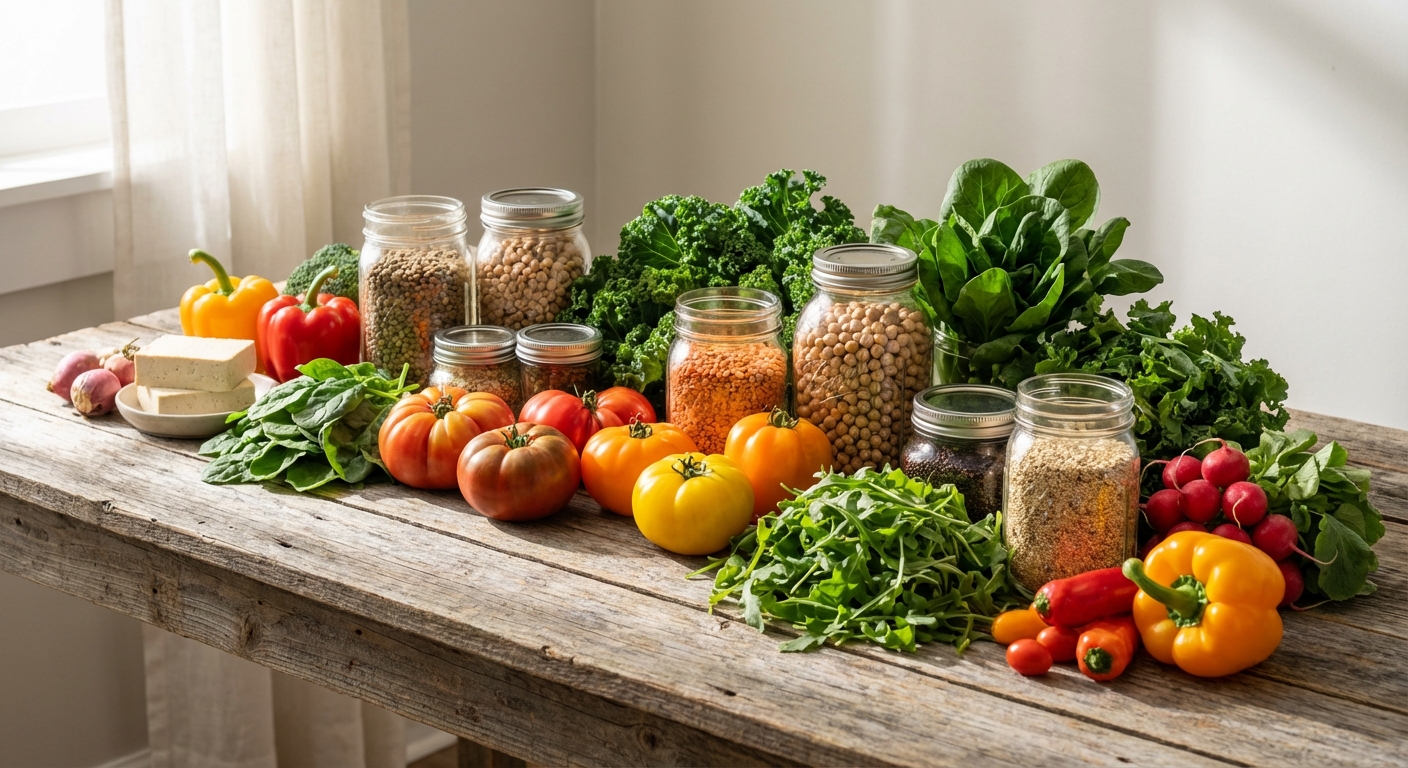
- Chickpea and lentil flour for protein-enriched foods
- Jackfruit as meat alternatives
- Traditional vegan products like papad and pappadam
- Pulse-based snacks meeting clean-label demands
These segments combine India's agricultural strengths with evolving consumer preferences in developed markets.
Convenience and Ready-to-Eat Categories
Time-pressed consumers worldwide seek convenient meal solutions without sacrificing quality or authenticity. Indian exporters are developing:
- Ready-to-eat curries and rice dishes with extended shelf life
- Instant mixes for traditional foods (dosa, idli, paratha)
- Frozen appetizers and snacks
- Meal kits with pre-measured ingredients
These products command significantly higher margins than raw ingredients while introducing Indian cuisine to non-traditional consumers.
Risk Mitigation Through Diversification
Product Portfolio Flexibility
Food exporters enjoy unusual flexibility in portfolio construction. A company can simultaneously handle:
- Multiple product categories (rice, spices, pulses)
- Various processing levels (raw, semi-processed, finished products)
- Different market segments (budget, mid-range, premium)
- Diverse geographic markets
This diversification provides natural hedging. When rice prices soften, spice demand might strengthen. If European sales slow, Middle Eastern markets may compensate. Economic downturns in one region rarely affect all markets simultaneously.
Supplier and Buyer Diversification
The fragmented nature of Indian agriculture and global food distribution enables diversification at multiple levels:
Supplier diversification prevents dependency on single sources. Disruptions affecting one region or supplier don't halt operations when alternative sources exist.
Buyer diversification protects against customer concentration risk. Rather than depending on one large importer, exporters can cultivate multiple relationships across different countries.
This multi-sided diversification—unique to food exports—creates resilient business models that weather disruptions better than concentrated alternatives.
Professional Development and Knowledge Building
Accessible Learning Resources
The maturity of India's food export sector means extensive knowledge resources exist:
- Specialized training institutes offering export-import programs
- Government agencies providing guidance and market intelligence
- Industry associations hosting seminars and workshops
- Experienced exporters mentoring newcomers
- Digital resources, webinars, and online communities
Aspiring exporters can access expertise without expensive consultants or lengthy trial-and-error learning.
Transferable Skills and Gradual Sophistication
Food exports allow gradual capability building. An entrepreneur might begin with simple commodity trading, learning fundamental export procedures, documentation, and international logistics. As experience grows, they can progress to:
- More complex products requiring specialized knowledge
- Value-added items involving processing and packaging
- Direct container shipments replacing third-party consolidators
- Multiple markets replacing single-destination focus
- Branded products moving beyond generic commodity trading
This graduated learning curve accommodates diverse backgrounds and experience levels, making the sector accessible to people without specialized degrees or extensive international experience.
Conclusion: The Convergence of Opportunity and Practicality
India's dominance in food exports isn't accidental—it results from the convergence of natural advantages, market dynamics, infrastructure development, and business practicality. The sector offers something relatively rare in international trade: accessibility without sacrificing growth potential.
For aspiring exporters, food products provide tangible benefits:
- Lower barriers allowing faster market entry
- Reduced capital requirements compared to manufacturing-intensive sectors
- Predictable demand supporting business planning
- Established supply chains eliminating infrastructure development needs
- Government support reducing various business risks
- Margin enhancement opportunities through value addition
- Repeat customer relationships improving unit economics
For India as a nation, food exports leverage inherent strengths while supporting millions of farming families through expanded market access and better price realization.
The global food trade continues evolving. Health consciousness, sustainability concerns, and dietary diversification create new niches regularly. Plant-based proteins, functional foods, ethnic cuisines, and premium organic products represent just a few growing segments where Indian exporters can establish positions.
Success doesn't come automatically—it requires diligence, quality focus, relationship building, and continuous learning. But the fundamental question for entrepreneurs isn't whether opportunities exist in food exports. They clearly do. The question becomes: which specific opportunity aligns with your capabilities, interests, and resources?
Whether you're drawn to ancient spice trade routes or cutting-edge plant-based innovations, India's food export sector offers pathways suited to diverse ambitions and timelines. The market is vast, the barriers are surmountable, and the timing remains favorable.
The world continues seeking what India produces exceptionally well. The question isn't whether global appetite exists for Indian food products—it demonstrably does. The question is whether you're ready to seize the opportunity.