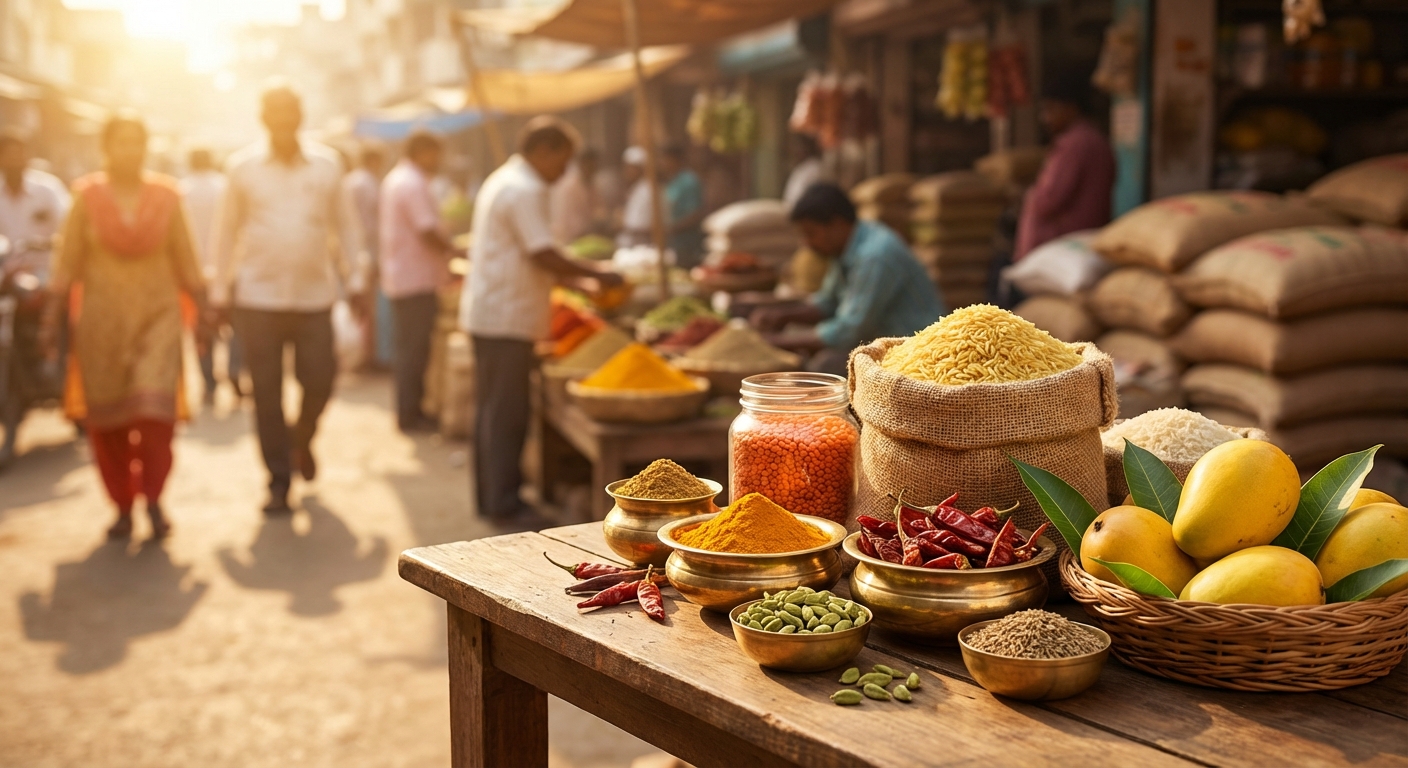
The Undisputed Champion of Indian Exports
India's position in global trade has evolved dramatically over the past decade, yet one category remains consistently at the forefront: agricultural and processed food commodities. While the country exports everything from textiles to technology services, food-related merchandise continues to capture the imagination—and investment—of entrepreneurs across the nation.
This sustained dominance raises an important question: What makes food products such an attractive proposition for Indian exporters? The answer lies in a unique convergence of geographic advantages, market dynamics, operational practicalities, and economic incentives that few other sectors can match.
Understanding these factors isn't just academic—it's essential knowledge for anyone considering entry into international commerce or seeking to expand their existing export operations.
Geographic and Agricultural Foundations
Climate Diversity Creates Year-Round Production Capability
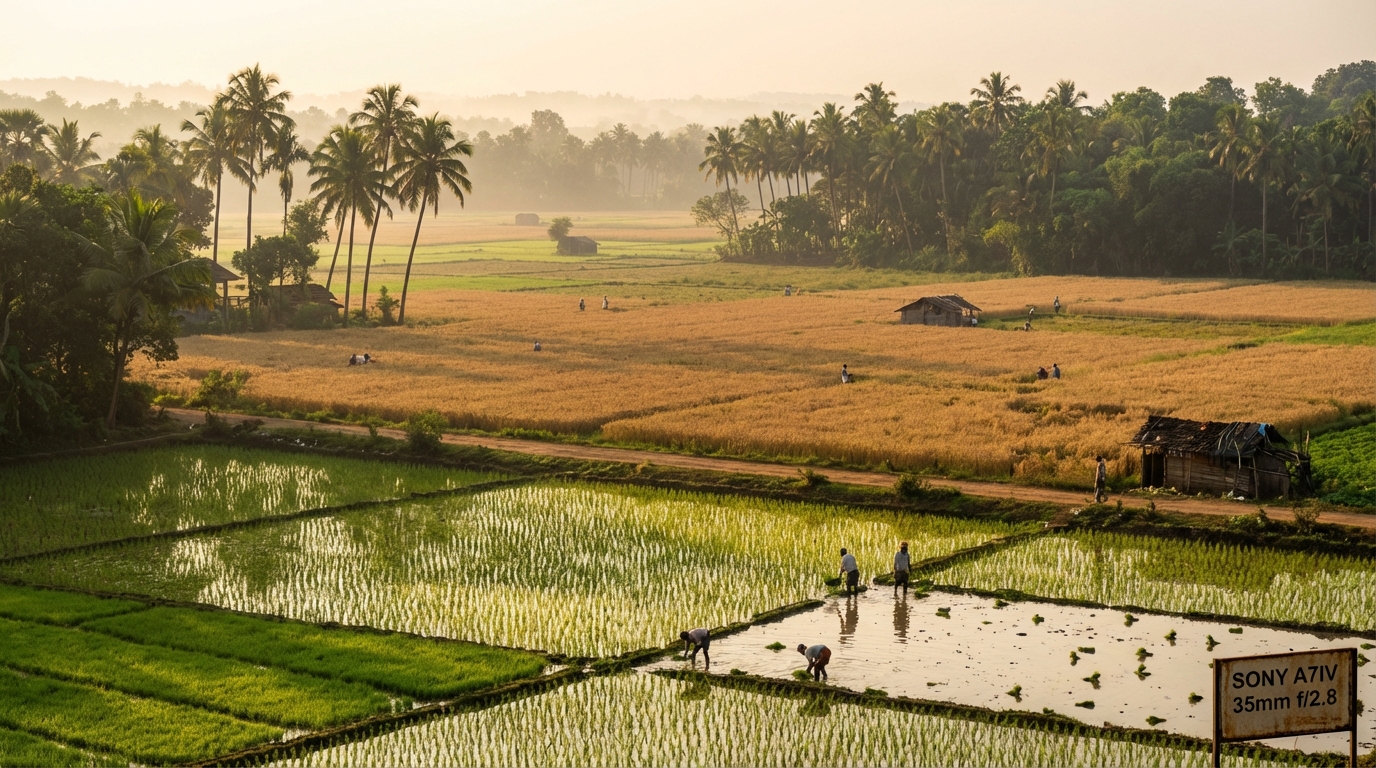
India's geographic span encompasses tropical beaches, temperate highlands, arid deserts, and humid river valleys. This extraordinary environmental variety translates into agricultural versatility that few nations can replicate. Where most countries specialize in seasonal crops or limited varieties, Indian farmers cultivate everything from tropical fruits to temperate vegetables across different regions simultaneously.
Consider the coffee industry: while Karnataka produces arabica beans at higher elevations, Tamil Nadu and Kerala specialize in robusta varieties at lower altitudes. This geographic specialization means Indian exporters can offer diverse product portfolios without coordinating across international borders.
The wheat fields of Uttar Pradesh, cotton cultivation in Gujarat, tea estates across Assam and Darjeeling, and cashew orchards in Maharashtra collectively create a supply foundation that supports exports throughout the calendar year. This continuity eliminates the seasonal volatility that exporters in single-climate nations must navigate.
Established Agricultural Infrastructure
Decades of agricultural investment have created extensive support systems—irrigation networks, rural road connectivity, agricultural research stations, and farmer training programs. This infrastructure doesn't just boost production; it standardizes quality and creates predictable supply patterns that international buyers value.
The mandi system, despite its limitations, provides collection points where exporters can source consolidated volumes. Modern cold storage facilities have expanded rapidly in recent years, particularly in Punjab, Maharashtra, and Gujarat, enabling exporters to maintain product quality during storage and transportation phases.
Market Fundamentals That Favor Food Exports
Universal and Non-Discretionary Demand
Unlike consumer electronics, fashion items, or luxury goods, food consumption remains constant regardless of economic conditions. The 2020 pandemic demonstrated this resilience dramatically—while most export categories faced severe contractions, food shipments continued with minimal disruption.
This demand stability creates predictable revenue streams. An exporter shipping basmati rice to Middle Eastern markets or frozen vegetables to European buyers can forecast volumes with reasonable accuracy, facilitating better financial planning and inventory management.
Growing Global Population and Dietary Shifts
The world population continues its upward trajectory, particularly in Africa and parts of Asia, creating expanding markets for staple foods. Simultaneously, dietary preferences are evolving in developed markets, with increasing interest in ethnic cuisines, plant-based proteins, and exotic ingredients—categories where Indian products excel.
The explosion of Indian restaurants worldwide has created sustained demand for authentic ingredients. Supermarket chains in London, New York, and Toronto now dedicate entire aisles to Indian products, demonstrating mainstreaming that occurred gradually over decades.
Price Competitiveness
Indian food products typically offer favorable pricing compared to alternatives from developed nations, while maintaining quality standards that meet international requirements. This price-quality balance makes Indian offerings attractive across both premium and value-conscious market segments.
Labor costs remain relatively lower in India's agricultural sector, while mechanization and processing technology improvements continue enhancing productivity. These factors combine to create export pricing that competing origins struggle to match.
This analysis is inspired by insights from the website: Food – The most preferred Export Product from India – Official Blog of iiiEM

Practical Business Advantages
Accessible Entry Requirements
Starting a food export business requires significantly less capital investment than manufacturing-focused export sectors. The regulatory framework, while comprehensive, follows established procedures that new exporters can navigate with appropriate guidance.
Initial registration requirements—Importer Exporter Code, Food Safety and Standards Authority of India certification, and Agricultural and Processed Food Products Export Development Authority registration—involve straightforward paperwork rather than complex technical approvals. Processing times have improved substantially with digitization initiatives.
Unlike pharmaceutical or engineering exports that demand specialized facilities and extensive testing protocols, many food categories can be exported by sourcing from existing producers and processors. This merchant export model allows entrepreneurs to enter international trade without owning production infrastructure.
Flexible Business Models
Food exports accommodate various operational approaches. Entrepreneurs can begin as merchant exporters, purchasing finished goods from manufacturers and processors, then shipping under their own brand or as unbranded commodities. As businesses grow and capital accumulates, they can integrate backward into processing or even primary production.
This scalability means an exporter might start by shipping bulk turmeric powder purchased from processing units, then gradually move into branded retail packs, and eventually establish their own grinding and packing facility. Such progression happens organically as business understanding and financial capacity develop.
The sector also permits specialization at different levels—some exporters focus on specific products (only cashews or only tea), others serve particular geographic markets (exclusively Gulf countries or European Union), while some differentiate through value addition or organic certification.
Institutional Support Framework
Government Promotion Schemes
Indian policymakers recognize food exports as strategic priorities for multiple reasons: agricultural income generation, employment in rural areas, foreign exchange earnings, and geopolitical influence through food security partnerships. This recognition translates into active promotional support.
The Agricultural and Processed Food Products Export Development Authority administers numerous schemes providing financial assistance for quality certification, infrastructure development, market exploration, and promotional activities. State governments supplement these with additional incentives, particularly in agriculturally significant regions.
Transport subsidies for specific products and destinations reduce logistics costs, making Indian products more competitive in distant markets. Interest subvention schemes lower working capital costs, particularly important in trade finance where credit cycles can extend several months.
Dedicated Export Infrastructure
Specialized facilities have been established to support food exports: Agri-Export Zones concentrate resources in high-potential production areas, integrated cold chain projects connect farms to ports, and quality testing laboratories ensure compliance with importing country standards.
Pack-house facilities meeting international phytosanitary requirements have proliferated near production centers, enabling proper cleaning, grading, and packaging before transportation. Radiation facilities for pest control provide alternatives to chemical fumigation, important for markets with strict residue limits.
Trade Agreements and Market Access
India's expanding network of preferential trade arrangements provides tariff advantages in numerous markets. Agreements with ASEAN nations, Japan, South Korea, and several individual countries create preferential duty structures that improve price competitiveness.
Beyond tariff benefits, these agreements often include provisions for mutual recognition of standards, simplified customs procedures, and cooperation on sanitary and phytosanitary measures—practical advantages that facilitate smoother trade flows.
Product Development and Value Addition Opportunities
Transformation Potential
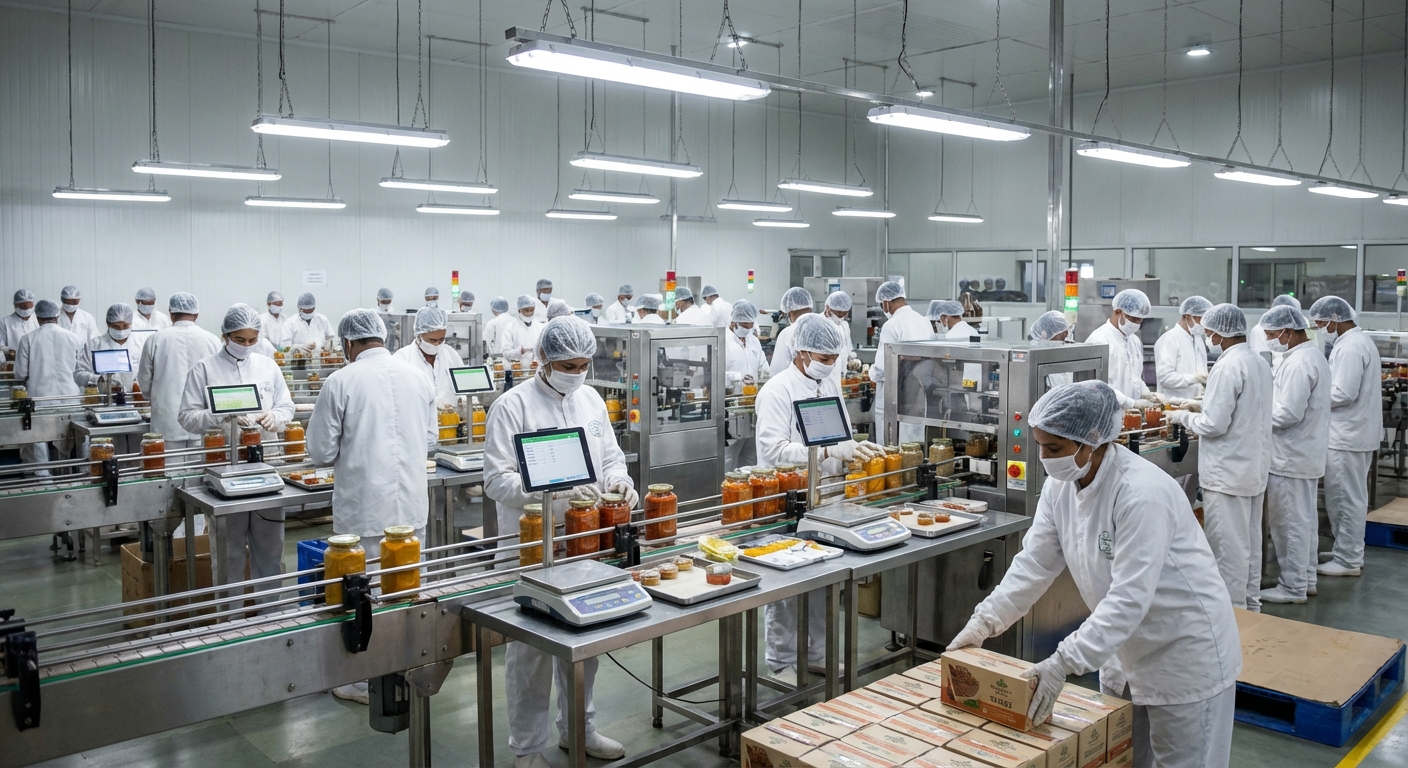
Food products offer exceptional opportunities for value enhancement through processing, packaging, and branding. The margin differential between raw agricultural commodities and consumer-ready branded products can be substantial, providing clear paths for business growth.
Raw mangoes exported in bulk generate modest revenues per ton, but the same fruit processed into pulp commands higher prices, while branded retail mango drinks achieve premium positioning in international supermarkets. Similarly, raw peanuts, roasted and flavored peanuts, and peanut butter represent ascending value tiers within the same base commodity.
This transformation potential means exporters aren't locked into commodity trading's thin margins. As businesses mature and market understanding deepens, they can progressively move up the value chain, capturing larger shares of final consumer prices.
Customization for Target Markets
Food products can be adapted to suit regional preferences and regulatory requirements. Spice blends can be formulated for specific cuisines, packaging sizes adjusted for different retail formats, and product specifications modified to meet varying food safety standards.
An exporter serving Middle Eastern markets might focus on larger pack sizes for institutional buyers and adjust spice heat levels to regional preferences. The same exporter targeting European retail chains would emphasize smaller consumer packs, organic certification, and transparent supply chain documentation.
This adaptability allows businesses to diversify across markets, reducing dependence on any single destination and spreading commercial risk.
Organic and Specialty Segments
Growing consumer interest in organic foods, sustainable production, and ethical sourcing creates premium market opportunities. India's traditional farming practices in many regions align well with organic standards, requiring relatively modest adjustments to achieve certification.
The organic food market globally commands significant price premiums while demonstrating faster growth than conventional products. Indian exporters who invest in organic certification and supply chain transparency can access these higher-value segments.
Similarly, geographical indications like Darjeeling tea, Alphonso mango, and Kangra tea provide legal protection and marketing advantages in international markets, allowing Indian exporters to differentiate products and resist commoditization.
Operational and Logistics Considerations
Favorable Product Characteristics
Many prominent food export categories from India possess physical characteristics that simplify international shipping. Rice, pulses, spices, and dehydrated products are shelf-stable, tolerant of temperature variations, and suitable for standard container transport without specialized equipment.
This durability reduces logistics risk and cost compared to highly perishable products requiring strict temperature control throughout the supply chain. While India certainly exports frozen and chilled products requiring cold chains, the large volume of ambient-stable goods provides accessible options for exporters with limited infrastructure access.
Packaging technology advances have further improved product stability. Modified atmosphere packaging, vacuum sealing, and improved barrier materials extend shelf life and maintain quality during long-distance shipments.
Established Logistics Networks
Major ports handling food exports—Mumbai, Mundra, Chennai, Kolkata, and Cochin—have developed specialized infrastructure and expertise. Customs officials at these ports understand food export documentation, reducing clearance times and minimizing administrative complications.
Shipping lines provide regular vessel services to all major global markets, ensuring consistent space availability. Freight forwarders specializing in food cargo understand the specific requirements—ventilation, cleanliness, separation from odorous cargo—that protect product quality during ocean transit.
Land transportation networks connecting production areas to ports have improved significantly, with dedicated corridors and cold chain truck operations ensuring product integrity until vessel loading.

Commercial Relationship Dynamics
Repeat Purchase Patterns
Food importers typically operate on recurring procurement cycles. A distributor in Dubai importing basmati rice doesn't make a single purchase; they establish relationships with reliable suppliers and place regular orders, often monthly or quarterly, depending on consumption patterns.
This repeat business model benefits exporters through revenue predictability and relationship deepening. As trust develops, transaction terms often improve—credit periods may extend, advance payment requirements might reduce, and communication becomes more efficient.
Long-term supply relationships also provide stability during market fluctuations. When prices rise, established buyers often maintain purchases despite better rates elsewhere, valuing supply security over marginal savings. This loyalty cushions exporters during difficult periods.
Diaspora Market Advantages
India's substantial diaspora population, particularly in Gulf countries, North America, Europe, and parts of Africa and Southeast Asia, creates built-in demand for authentic Indian food products. This community doesn't just consume these products occasionally; they form the core customer base that sustains regular import volumes.
Diaspora importers and distributors understand product specifications, quality expectations, and cultural nuances, making them accessible business partners for Indian exporters. Language compatibility and cultural familiarity further ease business relationships, reducing misunderstandings and building trust more quickly.
Mainstreaming Beyond Ethnic Markets
While diaspora demand provides foundation volumes, Indian food products increasingly penetrate mainstream consumer segments in many countries. Spices like turmeric and cumin appear in general recipe books, basmati rice stocks supermarket shelves alongside local varieties, and Indian snacks find placement in convenience stores.
This mainstreaming expands addressable markets dramatically. Exporters targeting mainstream channels face different requirements—stronger branding, different packaging formats, compliance with mass-market retail standards—but access vastly larger sales potential.
Quality Recognition and Brand Equity
Inherent Product Reputation
Certain Indian food categories carry inherent quality associations. "Darjeeling tea" connotes refinement, "basmati rice" suggests premium quality, and "Kerala spices" imply authenticity. These associations exist independently of individual brands, providing collective benefit to all Indian exporters in these categories.
This inherited brand equity reduces marketing burden for new exporters. Rather than building awareness from zero, they leverage existing positive associations, focusing marketing efforts on differentiating their specific offerings within the established category reputation.
Quality Consistency Improvements
Historically, Indian food exports occasionally suffered quality consistency issues that damaged reputation in certain markets. However, substantial improvements have occurred through better agricultural practices, enhanced processing standards, improved storage facilities, and more rigorous quality control.
Certifications like ISO, HACCP, and various organic standards provide objective verification of quality systems, reassuring international buyers about consistency and safety. Testing infrastructure has expanded, allowing exporters to verify compliance with destination country requirements before shipment.
These improvements position Indian food products competitively against offerings from traditionally dominant export origins, opening opportunities in quality-conscious markets that previously limited Indian presence.
Financial and Risk Management Perspectives
Working Capital Cycles
Food export businesses typically operate on faster working capital cycles than many other sectors. Payment terms, while varying by product and market, often range from 30 to 90 days, compared to 120+ days common in engineering or project exports.
Shorter cycles reduce financing costs and working capital requirements, making food exports more accessible for entrepreneurs with limited financial resources. Banks and financial institutions also view food exports favorably for trade finance, given the essential nature of products and established market patterns.
Risk Diversification Options
The diversity within food exports allows effective risk spreading. An exporter can handle multiple products, serve various geographic markets, and work with different buyer types (retail chains, wholesalers, institutional buyers, processors) to create balanced portfolios.
This diversification protects against product-specific issues (crop failures, pest outbreaks, regulatory changes) or market-specific problems (economic downturns, political instability, policy shifts) that might severely impact businesses concentrated in single products or destinations.
Manageable Regulatory Compliance
While food export regulations exist and must be respected, they follow established patterns that become manageable through experience and proper systems. Unlike sectors facing rapidly evolving technical standards or complex intellectual property considerations, food compliance focuses primarily on safety, labeling, and documentation requirements that remain relatively stable.
Compliance costs, while real, are predictable and can be incorporated into business planning. Third-party inspection and certification services have proliferated, providing accessible support for exporters navigating complex requirements.
Future Growth Trajectories
Technology Integration
Digital platforms are transforming food trade by connecting exporters directly with international buyers, reducing dependence on traditional intermediaries. Online marketplaces, digital trade finance solutions, and electronic documentation systems streamline operations and reduce transaction costs.
Traceability technology—blockchain applications, IoT sensors, and digital record-keeping—addresses increasing buyer demands for supply chain transparency, particularly for organic and premium products. Indian exporters adopting these technologies gain competitive advantages in quality-conscious markets.
Sustainability Alignment
Growing emphasis on sustainable production methods, carbon footprint reduction, and ethical sourcing aligns well with India's traditional agricultural practices and smaller average farm sizes. As these factors gain importance in purchasing decisions, Indian products may benefit from favorable positioning.
Certifications addressing sustainability dimensions—organic, fair trade, rainforest alliance, and others—provide differentiation opportunities and access to premium market segments willing to pay for verified ethical production.
Processing Industry Expansion
India's food processing sector continues growing, driven by domestic demand and export opportunities. This expansion creates more sophisticated products for export, moving beyond raw agricultural commodities toward higher-value processed goods.
Government initiatives promoting food processing through infrastructure development, tax incentives, and policy support accelerate this transformation, enabling exporters to capture greater value shares and compete more effectively in developed markets where processed products dominate.
Practical Guidance for Prospective Exporters
Starting Points
Entrepreneurs interested in food exports should begin by researching products where their region holds advantages—local production strengths, processing capabilities, or quality reputations. Connecting with Agricultural and Processed Food Products Export Development Authority provides access to market intelligence, training programs, and promotional support.
Attending trade exhibitions, both domestic and international, offers exposure to market requirements, competitor offerings, and potential buyers. Many exporters trace their first international orders to connections made at these events.
Building Knowledge Systematically
Export success requires understanding multiple dimensions: product knowledge, market requirements, logistics procedures, documentation standards, financial instruments, and relationship management. Formal training through specialized institutes provides structured learning, while mentorship from experienced exporters offers practical insights.
Industry associations—spice boards, marine products export development authorities, and commodity-specific organizations—provide networking opportunities, market information, and advocacy support that benefit new entrants.
Starting Small and Scaling Progressively
Most successful food exporters began modestly—perhaps a single container to one market—then expanded gradually as experience accumulated. This approach limits initial risk while building practical knowledge that classroom training cannot fully provide.
Early mistakes, inevitable in any business, cause manageable damage when operations remain small. As systems strengthen and market understanding deepens, scaling becomes safer and more sustainable.
Conclusion: Strategic Advantages Converge
The dominance of food products in India's export portfolio reflects a rare alignment of favorable factors: natural production advantages, fundamental market characteristics, accessible entry requirements, institutional support, value addition potential, manageable logistics, stable demand patterns, inherent quality recognition, and attractive business economics.
These advantages aren't temporary market anomalies but structural features likely to persist. As India's agricultural sector modernizes, processing capabilities expand, and quality standards improve, the competitiveness of food exports should strengthen further.
For entrepreneurs evaluating export opportunities, food products offer compelling propositions: reasonable entry barriers, diverse product options, multiple market destinations, scalable business models, and strong fundamental demand. While challenges exist—quality consistency, intense competition, regulatory compliance, and payment risks—the sector's fundamental strengths provide solid foundations for sustainable business growth.