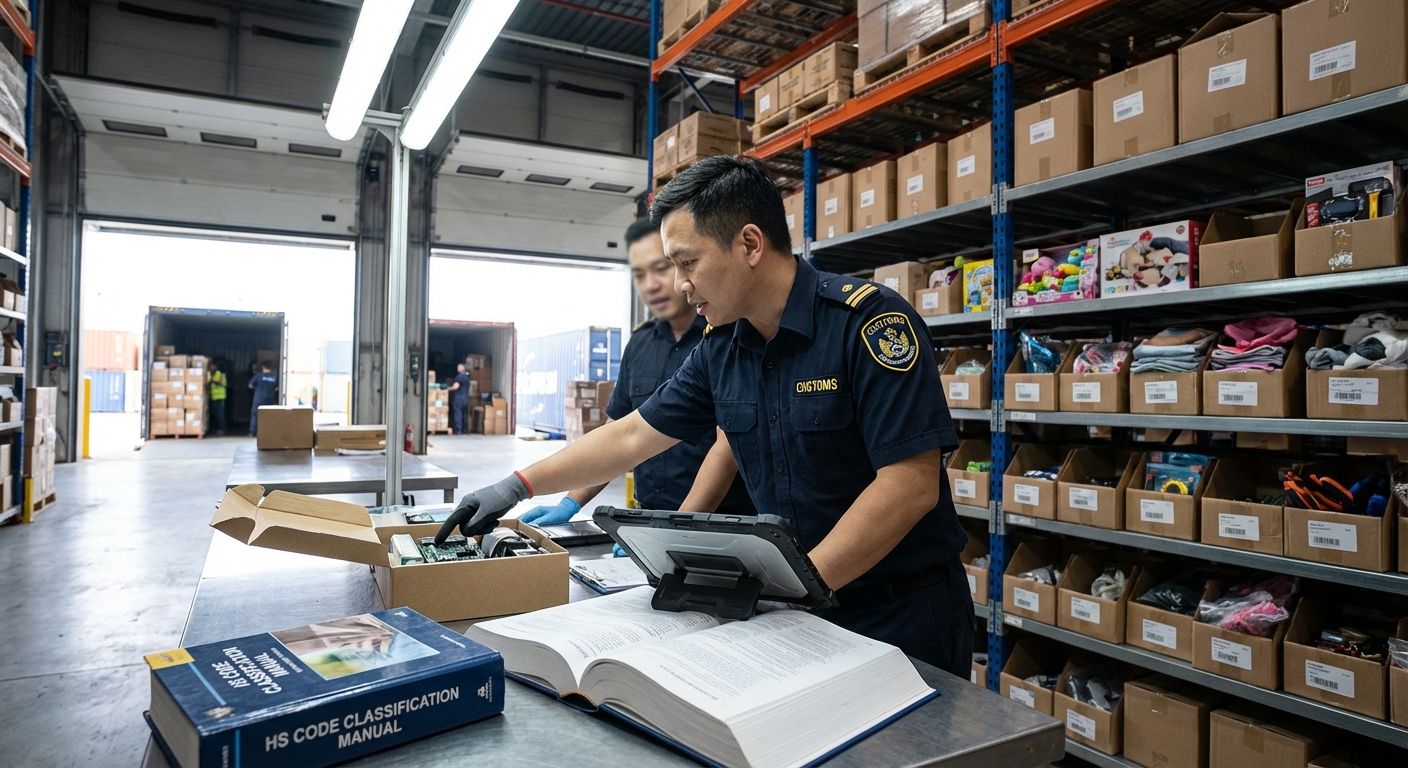
Introduction: The Evolving Landscape of Global Trade
The realm of international commerce presents both remarkable opportunities and complex challenges for businesses seeking to expand beyond domestic borders. As global supply chains become increasingly sophisticated and interconnected, understanding the multifaceted nature of cross-border transactions has never been more critical for sustained business success.
Whether you're an established trading enterprise looking to diversify your product portfolio, a manufacturer exploring new international markets, or an entrepreneur considering entry into the import-export sector, mastering the operational, regulatory, and strategic dimensions of global trade forms the foundation of competitive advantage.
This comprehensive guide explores the essential frameworks, procedural requirements, and strategic considerations that define successful international trade operations. From understanding classification systems and shipping protocols to navigating complex documentation requirements and identifying optimal sourcing regions, we'll examine the critical elements that transform trading aspirations into profitable realities.
The contemporary business environment demands more than superficial knowledge—it requires deep operational expertise, regulatory awareness, and strategic thinking about how products move across international boundaries while remaining compliant with evolving trade regulations.
Understanding the Foundation: Classification Systems in International Commerce
The Universal Language of Product Identification
At the heart of every international transaction lies a sophisticated classification framework that creates universal understanding between trading partners, customs authorities, and regulatory bodies worldwide. This standardized approach to product identification eliminates ambiguity and ensures consistent treatment of goods across different jurisdictions.
The Harmonized System represents a globally accepted methodology for categorizing traded merchandise. Developed through international cooperation and maintained by the World Customs Organization, this classification structure organizes products into hierarchical categories based on their nature, composition, and intended use.
Core Components of Product Classification:
- Chapter-Level Categorization: Broad groupings that organize products by industry or material type
- Heading Subdivisions: More specific classifications within each chapter that narrow product definitions
- Subheading Specifications: Detailed classifications that precisely identify products based on specific characteristics
- National Variations: Country-specific extensions that address local regulatory or statistical requirements

Practical Application in Daily Operations
Accurate classification extends far beyond administrative compliance—it directly impacts the financial viability of international transactions. The assigned code determines applicable duty rates, eligibility for preferential trade agreements, and compliance with product-specific regulations.
Consider a business exporting textile products: the classification difference between "woven cotton fabric" and "knitted cotton fabric" may seem subtle, but can result in significantly different tariff treatments, documentary requirements, and market access conditions.
Strategic Classification Considerations:
- Research multiple classification possibilities for products with hybrid characteristics
- Document the rationale behind classification decisions for future reference
- Regularly review classifications as products evolve or regulations change
- Consult with customs experts when dealing with technically complex or innovative products
- Maintain detailed product specifications to support classification decisions
The investment in proper classification competency pays dividends through reduced customs delays, accurate cost calculations, and minimized risk of penalties or shipment rejections.
Regional Sourcing Intelligence: Mapping India's Commercial Landscape
Strategic Procurement Across Diverse Industrial Corridors
India's economic geography presents a mosaic of specialized production zones, each offering distinct advantages for sourcing specific product categories. Understanding these regional strengths enables procurement professionals to identify optimal suppliers while building resilient supply chains.
The subcontinent's diversity—spanning climatic zones, resource endowments, and industrial development patterns—has created natural clustering of manufacturing capabilities. This geographic specialization means that sourcing strategy must consider not just product specifications but also regional expertise and infrastructure capabilities.
Northern Industrial Powerhouses
Delhi-NCR Manufacturing Ecosystem
The National Capital Region functions as a comprehensive manufacturing and trading hub, particularly strong in:
- Engineering components and automotive parts manufacturing
- Electronics assembly and technology hardware
- Garment production facilities with modern infrastructure
- Processed food products leveraging proximity to agricultural markets
- Sports equipment and recreational goods manufacturing
The region's advantages include exceptional connectivity through multiple international airports, established logistics networks, and access to skilled technical workforce. Additionally, the concentration of trading houses and freight forwarding services creates operational efficiencies.
Punjab's Agricultural Processing Strength
Punjab leverages its agricultural dominance to excel in:
- High-quality basmati rice processing and milling
- Wheat-based products and specialty flours
- Dairy processing and value-added dairy products
- Agricultural machinery and farm equipment
- Textile manufacturing, particularly cotton-based products
The state's cooperative infrastructure and established quality control systems make it particularly suitable for food exports requiring stringent compliance standards.

Western Manufacturing Corridors
Gujarat's Industrial Diversity
Gujarat represents one of India's most industrially developed states, offering:
- Chemical and petrochemical products across broad categories
- Pharmaceutical ingredients and formulations
- Processed gems and jewelry, particularly in Surat
- Textile manufacturing with vertical integration
- Marine products and seafood processing
The state's business-friendly infrastructure, dedicated industrial zones, and extensive port facilities create ideal conditions for export-oriented manufacturing.
Maharashtra's Comprehensive Capabilities
As India's industrial powerhouse, Maharashtra provides:
- Automotive components and complete vehicle manufacturing
- Engineering goods spanning multiple sectors
- Pharmaceutical products and active ingredients
- Information technology services and software products
- Agricultural commodities including fruits and processed foods
Mumbai's position as India's financial capital adds advantages in trade financing, insurance, and international banking services essential for large-scale trading operations.
Southern Manufacturing Excellence
Tamil Nadu's Manufacturing Prowess
Tamil Nadu combines traditional craftsmanship with modern manufacturing:
- Automotive components and vehicle assembly
- Textile products, particularly knitwear and cotton fabrics
- Leather goods and footwear manufacturing
- Engineering goods and precision components
- Granite and processed stone products
The state's strong infrastructure development and skilled workforce make it competitive across diverse manufacturing sectors.
Karnataka's Technology and Processing Focus
Karnataka excels in:
- Software development and information technology services
- Electronic components and technology hardware
- Coffee processing and specialty coffee products
- Silk products and textile manufacturing
- Aerospace components and precision engineering
Bangalore's emergence as India's technology capital creates unique opportunities for sourcing advanced technology products and services.
Eastern Resource-Based Industries
West Bengal's Traditional Strengths
West Bengal offers advantages in:
- Handicrafts and traditional artisan products
- Tea processing and specialty tea varieties
- Jute products and jute-based manufacturing
- Leather goods and leather processing
- Engineering goods from established industrial zones
Kolkata's historical role as a trading center maintains relevance through established business networks and port facilities.
Documentation Mastery: Building Compliant Transaction Frameworks
The Critical Role of Accurate Documentation
International trade documentation serves multiple essential functions: establishing legal ownership, proving compliance with regulations, facilitating payment, and enabling customs clearance. Documentation errors rank among the leading causes of shipment delays, financial losses, and business disputes.
Professional documentation practices separate successful trading operations from those that struggle with repeated operational problems. The documentation requirements vary significantly based on product types, destination countries, and specific transaction terms, requiring adaptable expertise.
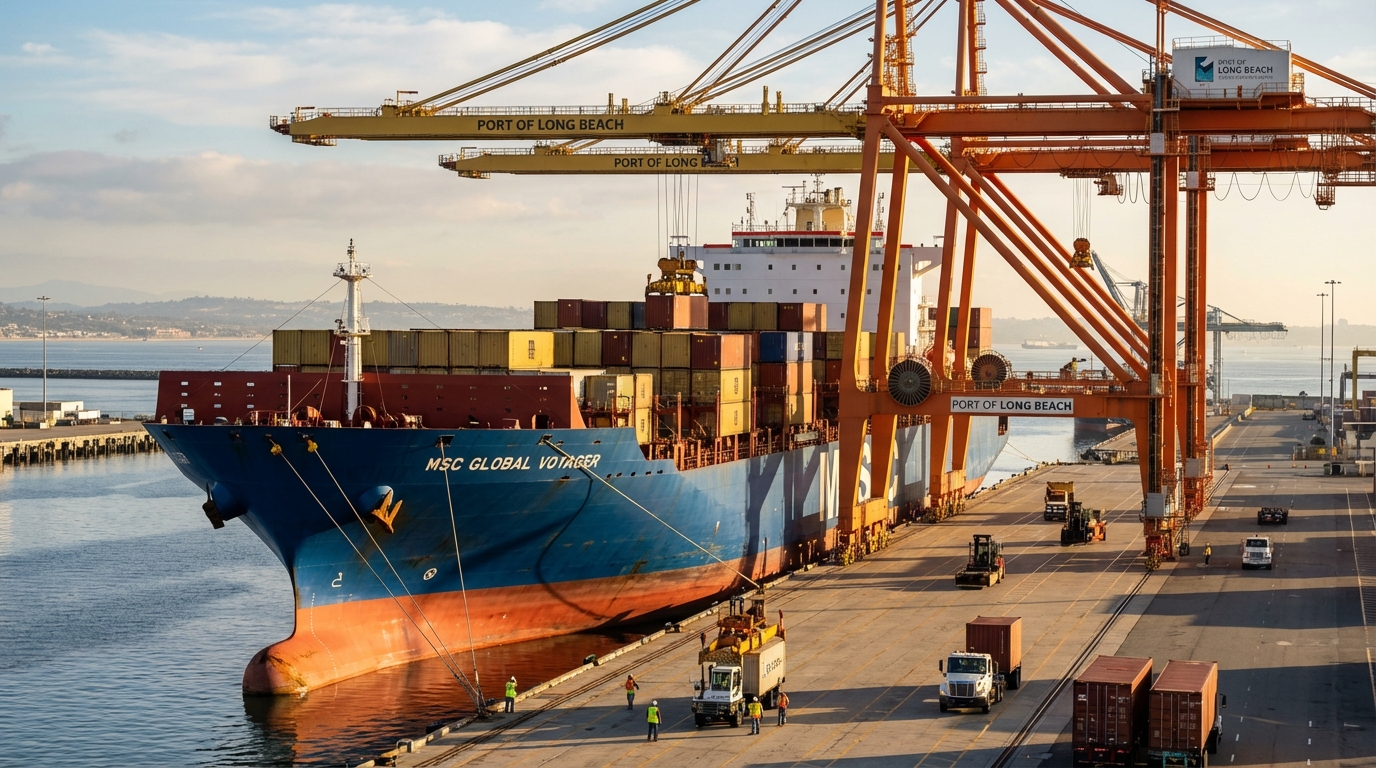
Commercial Documentation Foundation
Commercial Invoice Sophistication
The commercial invoice functions as the central document in most international transactions, requiring:
- Complete and accurate buyer-seller identification with legal business details
- Precise product descriptions matching classification codes and purchase agreements
- Detailed pricing information including unit prices, total values, and currency specifications
- Clear indication of trade terms governing delivery and risk transfer
- Payment conditions specifying when and how settlement will occur
Beyond basic requirements, sophisticated commercial invoices anticipate questions from customs authorities, banks, and trading partners by providing comprehensive information that preempts clarification requests.
Packing Documentation Excellence
Comprehensive packing information protects both seller and buyer interests:
- Individual package identification with unique numbering systems
- Detailed contents listing for each package or container
- Accurate weight specifications (gross and net) for logistics planning
- Dimension information enabling space calculation and freight optimization
- Special handling instructions for fragile, hazardous, or temperature-sensitive products
Professional packing documentation reduces cargo handling problems, facilitates accurate logistics planning, and provides clear reference for insurance claims if damage occurs.
Regulatory Compliance Documents
Origin Certification Strategies
Certificates of origin serve dual purposes: confirming product source for customs authorities and establishing eligibility for preferential tariff treatment under trade agreements.
Types of Origin Certification:
- Non-preferential certificates stating country of manufacture for general customs purposes
- Preferential certificates enabling reduced tariff rates under bilateral or multilateral agreements
- Chamber-issued certificates providing third-party verification of origin claims
- Self-certified declarations permitted under specific trade agreements with trusted trading partners
Understanding which origin certification applies to specific transactions requires knowledge of destination country requirements and applicable trade agreement provisions.
Quality and Standards Certification
Different markets impose varying requirements for product quality certification:
- International standards compliance (ISO, IEC) demonstrating management system effectiveness
- Product-specific certifications required for regulated categories like electronics or food products
- Laboratory testing reports confirming product specifications and safety standards
- Phytosanitary certificates for agricultural products confirming pest-free status
- Health certificates for animal products verifying disease-free origin
Proactive certification strategy anticipates market requirements rather than reacting after encountering customs rejections.
Transportation and Logistics Documentation
Bill of Lading Fundamentals
The bill of lading functions as receipt, contract, and document of title:
- Confirms carrier receipt of goods in specified condition
- Establishes contract terms between shipper and carrier
- Transfers ownership rights through negotiable instruments
- Provides essential information for customs clearance and delivery
Understanding the difference between negotiable and non-negotiable bills, original and copies, and various endorsement requirements prevents costly documentation errors.
Insurance Coverage Documentation
Marine insurance certificates or policies protect against transportation risks:
- Coverage specifications matching Incoterms obligations
- Declared value calculations including potential profit margins
- Specific risk coverage addressing transportation modes and routes
- Claim procedures and documentation requirements
- Currency considerations for international settlements
Insurance documentation should align perfectly with commercial invoices and shipping documents to avoid coverage gaps or settlement complications.
Trade Agreement Navigation: Maximizing Preferential Access
Strategic Utilization of Bilateral and Multilateral Frameworks
Trade agreements represent negotiated frameworks that reduce or eliminate tariffs, simplify procedures, and create predictable trading environments. However, realizing these benefits requires active strategy rather than passive awareness.
India has established extensive trade agreement networks spanning regional partnerships, bilateral economic cooperation frameworks, and sectoral arrangements. Each agreement contains specific rules, eligible products, and compliance requirements that determine practical utility.

Preferential Trade Agreement Categories
Comprehensive Economic Cooperation Agreements
These broad frameworks address not just tariff reduction but also:
- Services trade liberalization enabling professional mobility
- Investment protection and promotion provisions
- Intellectual property rights harmonization
- Regulatory cooperation reducing non-tariff barriers
- Dispute resolution mechanisms protecting business interests
Understanding the comprehensive nature of these agreements reveals opportunities beyond simple tariff savings.
Limited Scope and Sectoral Agreements
Focused agreements targeting specific products or sectors may offer:
- Deeper tariff reductions for covered products compared to broad agreements
- Simplified compliance requirements due to limited scope
- Faster implementation timelines for benefits realization
- Specialized provisions addressing sector-specific concerns
Sectoral agreements often receive less attention but may provide superior benefits for businesses operating within covered categories.
Rules of Origin Compliance
Accessing preferential tariff rates requires proving that products meet origin criteria established in each agreement. Origin rules vary significantly between agreements, requiring specific compliance strategies:
Substantial Transformation Criteria:
- Value addition thresholds specifying minimum local content percentages
- Change in tariff classification demonstrating manufacturing transformation
- Specific processing requirements for certain product categories
- Cumulation provisions allowing content from partner countries to count toward origin
Documentation and Verification:
- Accurate record-keeping demonstrating origin qualification
- Supplier declarations confirming material origins
- Production records proving manufacturing processes
- Preparation for potential origin verification audits by customs authorities
The administrative burden of rules of origin compliance means businesses must evaluate whether preferential rates justify compliance costs for each product-market combination.
Shipping Terms and Risk Management: Incoterms Application
Understanding Delivery Terms and Responsibility Allocation
Incoterms provide standardized trade terms defining seller and buyer responsibilities for delivery, risk transfer, and cost allocation. Despite their widespread use, misunderstanding or misapplication of these terms causes frequent disputes and unexpected costs.
The current Incoterms 2020 framework includes eleven distinct terms, each appropriate for specific transaction types, transportation modes, and risk tolerance levels. Selecting appropriate terms requires understanding both party capabilities and transaction-specific considerations.
Terms for Any Transportation Mode
EXW (Ex Works) - Minimum Seller Obligation
Under EXW terms, the seller makes goods available at their premises with the buyer assuming all responsibilities and risks from that point. While appearing simple, this term creates significant challenges:
- Buyers may lack ability to arrange export customs clearance in seller's country
- Export documentation burden falls on buyer despite operating in seller's jurisdiction
- Customs authorities may question buyer's legal standing for export procedures
EXW works best for domestic transactions or when buyers have established local operations in the seller's country.
FCA (Free Carrier) - Balanced Allocation
FCA represents a more practical alternative to EXW, with the seller:
- Delivering goods to a carrier nominated by the buyer
- Handling export customs clearance and documentation
- Transferring risk when goods reach the specified carrier location
FCA accommodates both traditional freight forwarding and modern containerized shipping, making it highly versatile for contemporary trade.
CPT/CIP (Carriage and Insurance Paid) - Seller-Arranged Transportation
These terms have sellers arrange and pay for transportation to destination, while risk transfers earlier:
- Seller books and pays freight charges
- Under CIP, seller also procures insurance coverage
- Risk transfers when goods reach the first carrier despite seller paying onward freight
- Creates clarity for landed cost calculations and inventory planning
The split between cost responsibility and risk transfer requires clear understanding to avoid disputes when cargo damage occurs during seller-paid transportation.
Terms for Maritime and Inland Waterway Transport
FOB (Free on Board) - Traditional Maritime Term
FOB remains prevalent for containerized ocean freight despite some practical limitations:
- Seller delivers goods aboard the vessel at origin port
- Risk transfers when goods cross the ship's rail or are loaded into containers
- Buyer bears all costs and risks for ocean freight and beyond
- Traditionally used for bulk commodities and break-bulk cargo
Modern container shipping creates timing challenges for FOB terms since container loading often occurs inland, before port arrival.
CIF (Cost, Insurance and Freight) - Comprehensive Seller Responsibility
CIF requires sellers to arrange ocean transportation and insurance:
- Seller pays freight charges to destination port
- Minimum insurance coverage provided by seller
- Risk transfers at origin port despite seller paying onward costs
- Buyer handles destination customs clearance and inland delivery
CIF provides cost predictability for buyers while allowing sellers to leverage volume shipping relationships.
Strategic Term Selection
Choosing appropriate Incoterms requires evaluating:
- Respective party capabilities for transportation arrangement and customs procedures
- Risk tolerance and insurance preferences
- Comparative costs when each party arranges transportation
- Banking and letter of credit requirements
- Destination country import regulations and procedures
Regular review of term selection ensures continued alignment with evolving business capabilities and market conditions.
Customs Procedures and Facilitation: Navigating Clearance Requirements
Streamlining Border Crossing Processes
Efficient customs clearance separates successful traders from those experiencing chronic delays, unexpected costs, and customer dissatisfaction. Modern customs procedures balance revenue collection, regulatory enforcement, and trade facilitation objectives.
Understanding customs processes from the authorities' perspective enables businesses to design compliant procedures that minimize friction while protecting commercial interests.
Pre-Arrival Preparation Strategies
Advanced Documentation Submission
Many customs administrations now accept or require electronic document submission before cargo arrival:
- Enables preliminary document review and risk assessment
- Identifies potential issues before physical cargo arrival
- Reduces port dwelling time and associated storage charges
- Facilitates coordination between importers, carriers, and customs brokers
Sophisticated traders establish systems ensuring documentation readiness before cargo departure from origin.
Classification and Valuation Preparation
Preparing comprehensive product information supports customs processing:
- Detailed technical specifications supporting classification decisions
- Complete value breakdowns demonstrating transaction authenticity
- Relationship disclosures when trading between affiliated entities
- Supporting documentation for valuation adjustments or specialized programs
Incomplete information triggers additional scrutiny and processing delays even when no compliance issues exist.
Clearance Procedure Navigation
Risk-Based Assessment Systems
Modern customs administrations employ risk-based approaches concentrating resources on higher-risk shipments:
- Automated systems assign risk scores based on multiple factors
- Low-risk shipments receive streamlined clearance with minimal intervention
- Higher-risk shipments undergo detailed examination and verification
- Trader compliance history significantly influences risk scoring
Building positive compliance history through accurate declarations and complete documentation creates competitive advantage through faster clearance.
Physical Examination Management
When customs selects shipments for physical examination:
- Ensure representative samples accurately reflect overall shipment
- Provide technical expertise to explain complex products
- Document examination results for future reference
- Address any discrepancies promptly and transparently
- Learn from examinations to improve future declaration accuracy
Professional examination management minimizes disruption and demonstrates commitment to compliance.
Specialized Customs Regimes
Bonded Warehousing Advantages
Customs bonded facilities enable duty deferral and operational flexibility:
- Store imported goods without immediate duty payment
- Conduct permitted manufacturing or processing operations
- Re-export products without paying import duties
- Mix domestic and imported materials under supervision
- Defer duty liability until goods enter domestic commerce
Strategic use of bonded facilities improves cash flow management and supports complex supply chain operations requiring flexibility in final destination decisions.